
Lights Out at Sepang: Where Salesforce Fits in Formula 1, Beyond the Logo
A rain-soaked race, a record 261,000 crowd and a Friday night nobody planned for. What Formula 1's return to Malaysia shows about the race off the track, and the part Salesforce plays in it.
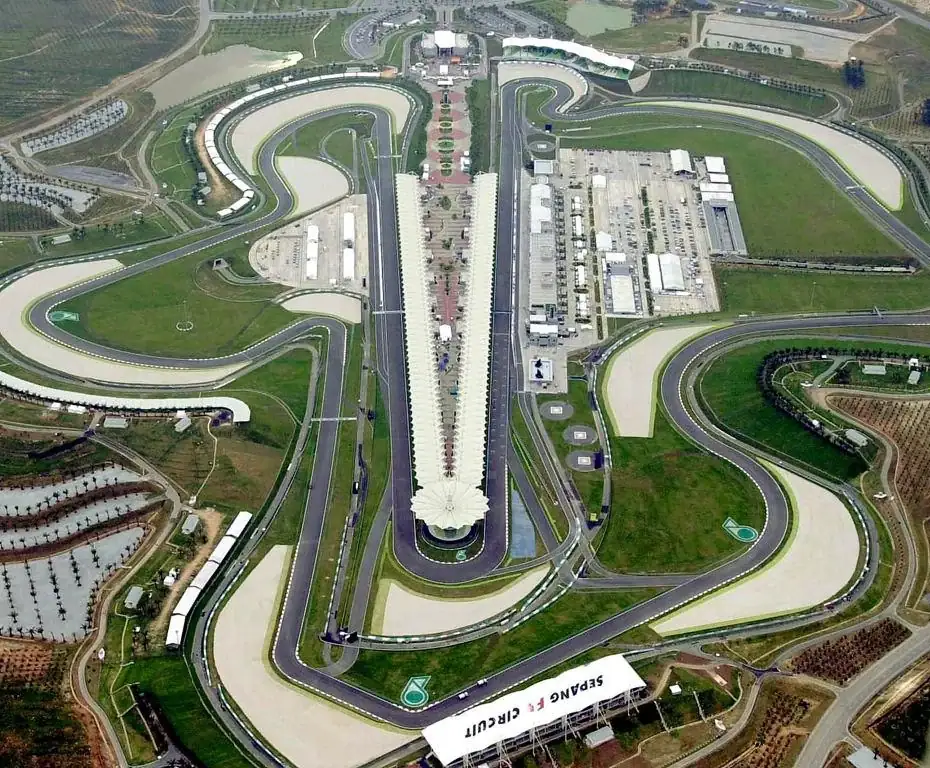
Sunday, 4 October, Sepang
The rain came just before lights out. Torrential, the way only Sepang rain can be, and the start was pushed back by an hour and forty minutes. When the cars finally got going, more than 100,000 people in the grandstands were on their feet.
Max Verstappen started on pole, lost the lead to both Mercedes cars on intermediate tyres, then took it back at the lap nine safety car restart and pulled away. He won by 2.3 seconds. It was his first win of 2026 and the 72nd of his career, nine years after he won the last Malaysian Grand Prix at the same circuit in 2017. "72 mate, 72!" he told his team on the radio.
Lewis Hamilton started second. Ferrari sent him out on slick tyres on a track that was still too wet, and he slid to the back of the field, as low as 18th. Then the track dried, the safety car bunched everyone up, and he drove. With three laps to go he passed Isack Hadjar for third. Front row, back of the field, back on the podium, ending Ferrari's five-race podium drought. George Russell, running third, retired with five laps left.
It was meant to be the Bahrain Grand Prix. After conflict in the region forced the April race in Bahrain to be cancelled, Formula 1, the FIA and the two governments moved it to Malaysia. Sepang had about two months to get ready. The weekend sold out: 261,000 spectators, 103,000 on race day, the biggest crowd in the circuit's history, with millions more watching around the world.
Lewis Hamilton
Front row, back of the field, back on the podium.
The other race that weekend
There was a second story at Sepang, and it started on Friday night. An estimated 100,000 people came on the first day, far more than the event had planned transport for. The 95-bus shuttle fleet was stuck in the same traffic as everyone else. Some fans waited up to four hours, and thousands walked along the expressway towards KLIA and Mitsui Outlet Park in the dark. Malaysians online compared it to Train to Busan.
By Saturday, the authorities had added dedicated transit lanes, KLIA Ekspres ran until 1am, and things improved a lot. To be fair to the organisers, they built a Formula 1 weekend in two months for a crowd bigger than anyone expected.
But it shows something every business with crowds of customers already knows. Racing is what fans come for. What they remember is everything around it: the ticket, the parking, the queue, the wait, the way home. That is the race Formula 1 has been running off the track, and it is where Salesforce comes in.
Formula 1 is a fan business
Formula 1 earns its money from broadcast rights, F1 TV subscriptions, race hosting fees, sponsors, tickets and hospitality. All of it depends on two things: knowing its fans, and proving its value to sponsors.
That is a big job. Formula 1 says it has 827 million fans worldwide, and 43% of them are under 35. They buy tickets, stream races, play fantasy games, shop for merchandise and follow drivers on social media. Before 2022, much of that data sat in separate systems.
Where Salesforce actually fits
Salesforce signed a five-year partnership with Formula 1 in 2022, reported at around £20 million a year, and in March 2026 the two extended it for several more years. The logo at the track is the visible part. The bigger part is that Formula 1 runs much of its fan business on Salesforce.
It is worth being clear about what Salesforce does not do. It does not design the cars, read the telemetry or decide when to pit. That side runs on Formula 1's official cloud partner AWS, and on each team's own technology partners, such as Oracle with Red Bull.
On track
The car and the race
Off track
The fans and the business
What it has delivered
Formula 1 joined data from more than 100 sources into 24 million fan profiles on Data 360, and did it in under four months. On top of that one view of each fan, it built the rest:
In March 2026, Formula 1 added an AI fan companion on F1.com, built on Agentforce. It explains the new 2026 car rules at any hour, using official F1 sources, and tracks what fans are asking so the team knows what to explain better. Figures are as reported by Formula 1 and Salesforce.
A race weekend is a customer journey
Look at a fan's weekend as a lap of the circuit. Every stop is a moment where the organiser either knows who the fan is and helps, or does not. Sepang's Friday night happened at stops 3 and 6.
- 1Ticket boughtWho is coming, from where, and with whom.
- 2Parking or shuttle passHow each fan plans to get there, so capacity matches the crowd.
- 3Getting thereLive updates on queues and routes, by app or WhatsApp.
- 4At the gateEntry scanned, and a welcome that fits the ticket.
- 5In the grandstandFood, merchandise and offers that suit the moment.
- 6Getting homeWhich exit, which shuttle, how long the wait is.
- 7Watching at homeF1 TV, the app and social, on the same profile.
- 8Next seasonAn early offer, timed to when they bought this year.
What any business with a crowd can take from this
This applies far beyond motorsport. Concerts, stadiums, airlines, malls, telcos and banks all serve big crowds at peak moments. The ones that win are the ones that treat every fan, passenger or customer as one person, not ten separate records.
Where to start
Sources: Malay Mail: Verstappen conquers rain-delayed Bahrain Grand Prix at Sepang; Sky Sports race report; Bahrain International Circuit: record-breaking sell-out crowd; The Rakyat Post: Friday transport at Sepang; Salesforce customer story: Formula 1; Salesforce: Formula 1 and Salesforce deepen partnership (March 2026); BlackBook Motorsport: Salesforce and Formula 1, 2022; AWS: Formula 1 case study. Formula 1, F1 and team names are trademarks of their owners; Telcowin is not affiliated with Formula 1.
Know your crowd before it arrives
We help Malaysian brands join their customer data and put it to work, from one profile per customer to AI agents and real-time messaging.